About Diplaammel

Where passion for history meets dedication to preservation

Our foundation

Diplaammel emerged from a simple observation: most people walk past historical landmarks without truly seeing them. Buildings that survived wars, revolutions, and centuries of changing tastes stand anonymous, their stories untold, their significance unrecognized.

Founded by a collective of historians, archaeologists, and preservation specialists, we set out to bridge that gap between the monuments of the past and the people of the present.

What began as informal walking tours among colleagues evolved into a comprehensive educational initiative, combining rigorous historical scholarship with accessible public programming.

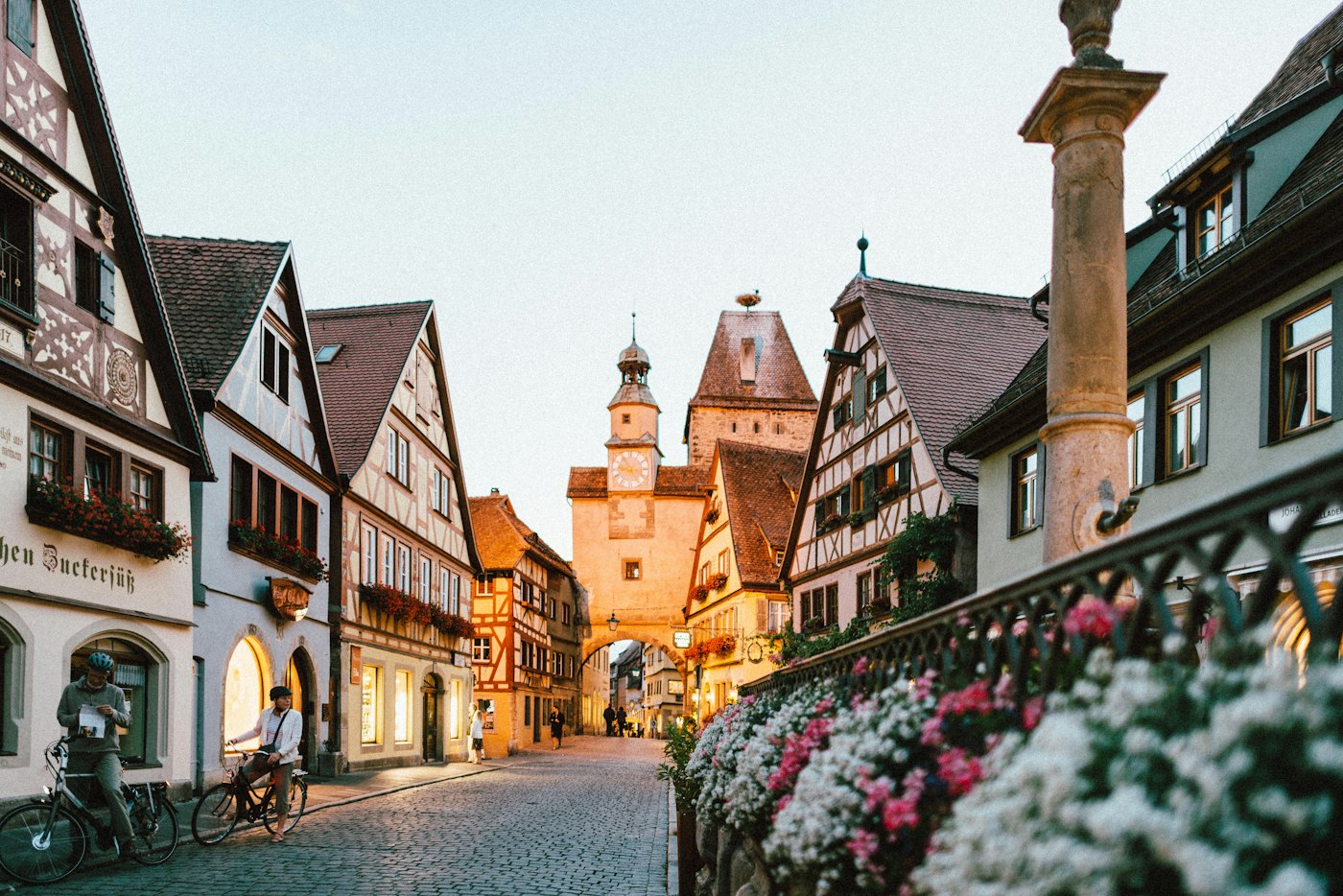
Historic building facade with period details

Our approach to historical education

We reject the notion that historical knowledge should remain confined to academic circles. Architecture built for communities should be understood by those communities. Our methodology emphasizes:

Contextual understanding

Every building exists within multiple contexts—political, economic, artistic, technological. We explore these intersections rather than treating structures as isolated artifacts.

Material literacy

Understanding why particular materials were chosen, how they were worked, and what their use reveals about historical capabilities and trade networks.

Narrative complexity

History is rarely simple. We present multiple perspectives and acknowledge ongoing scholarly debates rather than offering simplified narratives.

Preservation awareness

Teaching not just about what existed, but about the challenges of maintaining these structures for future generations.

Expertise grounded in practice

Our team includes professionals who work daily in historical preservation, archaeological research, and architectural analysis. This isn't theoretical knowledge—it's understanding gained through hands-on engagement with historical materials and structures.

We maintain active relationships with universities, preservation societies, archaeological projects, and heritage organizations. This network ensures our educational content reflects the most current research and methodologies.

When you learn with us, you're accessing knowledge that archaeologists use in the field and that preservation specialists apply to conservation projects.

What guides our work

Accuracy over simplicity

We prioritize historical accuracy even when it complicates the narrative. Nuance matters more than neat conclusions.

Accessibility without reduction

Making knowledge accessible doesn't mean dumbing it down. We present complex information in understandable ways without stripping away important details.

Continuous learning

Historical understanding evolves as new evidence emerges and methodologies improve. We update our knowledge base constantly and acknowledge when interpretations change.

Community engagement

Historical landmarks belong to communities, not just specialists. Our work aims to strengthen public connection to heritage sites.

Sunlight streaming through cathedral windows

Beyond education: contributing to preservation

A portion of our proceeds supports active preservation projects and archaeological research. When you engage with our services, you're contributing directly to the maintenance and study of historical landmarks.

We've partnered with preservation initiatives working on medieval churches, Roman fortifications, Victorian industrial sites, and Georgian urban planning. Your participation makes that work possible.

Join us in preserving historical knowledge

Whether you're a casual enthusiast or serious researcher, our services offer pathways into deeper historical understanding.

Explore our services